Clone Wars: Inside the DIY Vape Community Reverse-Engineering Every Juice on the Market
Somewhere between a Reddit thread and a Discord server, someone just figured out your favorite $30 bottle of e-liquid. They broke it down note by note, percentage by percentage, and posted the whole thing for free. The comments? Forty replies deep, with users fine-tuning the formula in real time like it's a pull request on GitHub.
Welcome to the DIY juice underground — one of the most technically obsessive, quietly radical corners of vape culture.
Open Source, But Make It Flavor
If you've spent any time in vape communities online, you've probably stumbled across places like r/DIY_eJuice or the sprawling flavor databases hosted on sites like AllTheFlavorz. These aren't just recipe boards. They're living, breathing knowledge ecosystems where mixologists — some hobbyist, some borderline professional — collaborate to decode commercial juices and build better versions from scratch.
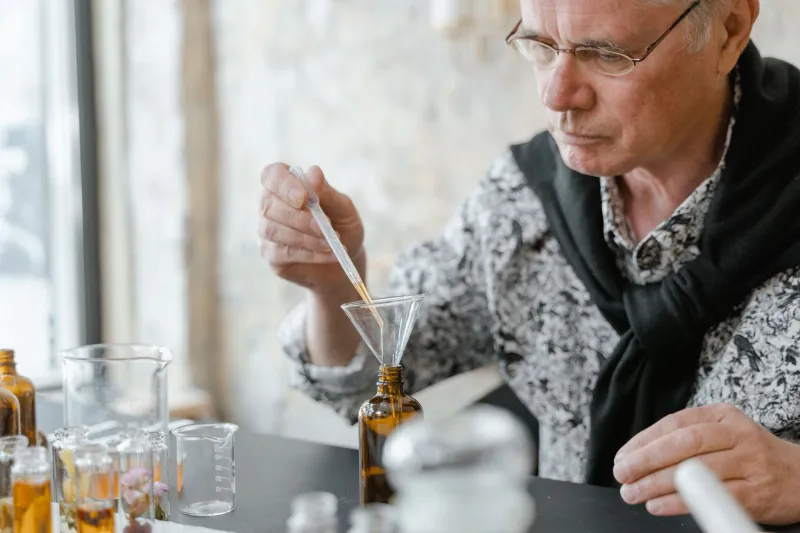
The methodology is surprisingly rigorous. A mixer will buy a bottle of, say, a popular strawberry cream from a well-known brand, then taste it systematically. They're not just sipping — they're analyzing. Which strawberry concentrate matches that particular brightness? Is there a custard base underneath, or is it more of a light cream? What's giving it that faint bakery note on the exhale? The process reads less like cooking and more like reverse engineering firmware, and the community treats it with exactly that level of seriousness.
Shared spreadsheets often run dozens of columns deep — flavor concentrate brand, percentage, steeping time, PG/VG ratio, notes on hardware pairings. Some community members have contributed hundreds of entries. The whole thing has the energy of a Wikipedia edit war, except instead of debating historical facts, people are arguing about whether 0.5% of a particular vanilla concentrate ruins the top note.
The Chemistry Is Real (And Kind of Wild)
Here's the thing that surprises a lot of outsiders: this isn't guesswork. The DIY mixing community has developed a genuine working knowledge of flavor chemistry. Regulars know that certain concentrates from manufacturers like Flavorah, TPA, or Inawera behave differently depending on temperature, coil material, and wattage. They know which flavor molecules are volatile and fade during steeping, and which ones deepen over time.
Some of the more dedicated mixers have gone further, cross-referencing flavor concentrate ingredient lists — where available — with published flavor chemistry databases. There's a subset of the community that talks about things like ethyl maltol's sweetening effect or the role of acetyl pyrazine in bakery profiles with the same casual fluency that a PC builder uses to discuss thermal paste application.
It's geek culture in the most literal sense. These people took something they love, decided they wanted to understand it completely, and built an entire knowledge infrastructure around that curiosity.
Why Big Brands Are Paying Attention (And Quietly Freaking Out)
For commercial e-liquid companies, this community represents a genuinely uncomfortable threat. The value proposition of a premium juice brand has always relied on a kind of mystique — proprietary formulas, signature profiles, the idea that there's something in that bottle you can't replicate at home. The DIY community is systematically dismantling that mystique, one spreadsheet row at a time.
When a popular clone recipe circulates and people start reporting that their homemade version is within 90% of the original at a fraction of the cost, that's not just a win for hobbyists. That's a direct hit to brand loyalty. And because these recipes live on decentralized platforms — forums, Discord servers, Google Sheets shared through DMs — there's no clean way for brands to suppress them.
Some companies have responded by quietly reformulating products, which the community then treats as a puzzle to be re-solved. It's an arms race, and the brands are running it with both hands tied behind their backs.
A few brands have tried a different approach: leaning into the DIY community rather than fighting it. They sponsor mixing contests, send samples to prominent community mixers for feedback, and treat the hobbyist scene as an informal R&D pipeline. It's a smart play, even if it's uncomfortable for the marketing department.
The Ethics of the Clone
Not everyone in the DIY space is comfortable with the reverse-engineering angle. There's a real conversation happening inside the community about what it means to clone a small-batch juice made by an independent mixer versus decoding a formula from a massive commercial operation. Most people draw a firm line there — cloning a juice from a beloved indie brand feels different from cracking a corporate product, and community norms generally reflect that.
There's also a practical ethics layer around safety. The DIY community has put significant effort into building harm-reduction resources: guides on safe handling of nicotine concentrate, warnings about certain flavor chemicals that have raised health concerns, and general best practices for mixing. The culture is self-regulating in ways that would genuinely surprise people who assume it's just a bunch of people winging it in their kitchens.
A Subculture Built on Shared Knowledge
What makes the DIY juice scene feel so distinctly geek-coded isn't just the spreadsheets or the chemistry talk — it's the underlying philosophy. This is a community that decided proprietary knowledge is a problem to be solved, not a wall to respect. It's the same impulse that drives open-source software development, ROM hacking, and right-to-repair advocacy. Information wants to be free, and flavor profiles are information.
The community has built something genuinely impressive: a distributed, collaborative, constantly updated database of flavor knowledge that no single company could afford to create internally. It's messy, sometimes contradictory, and occasionally heated — but it works. New mixers get onboarded through tutorials and mentorship threads. Experienced mixers get community recognition and the satisfaction of a recipe that hits right.
For the tech-savvy vaper who's already comfortable tinkering with hardware, diving into DIY juice mixing is a natural next step. It's the same brain, just pointed at a different problem.
And somewhere, a brand's R&D team is reading a forum thread about their own product, taking notes.